Lessons from Spark and Damage/Armour Play Test
Yesterday I had the great pleasure of testing out some of the new mechanics over written about in this post. I wanted to spend today talking about some of the lessons that I learnt in that and some of the work that needs to be done as well as a brief overview of the adventure.
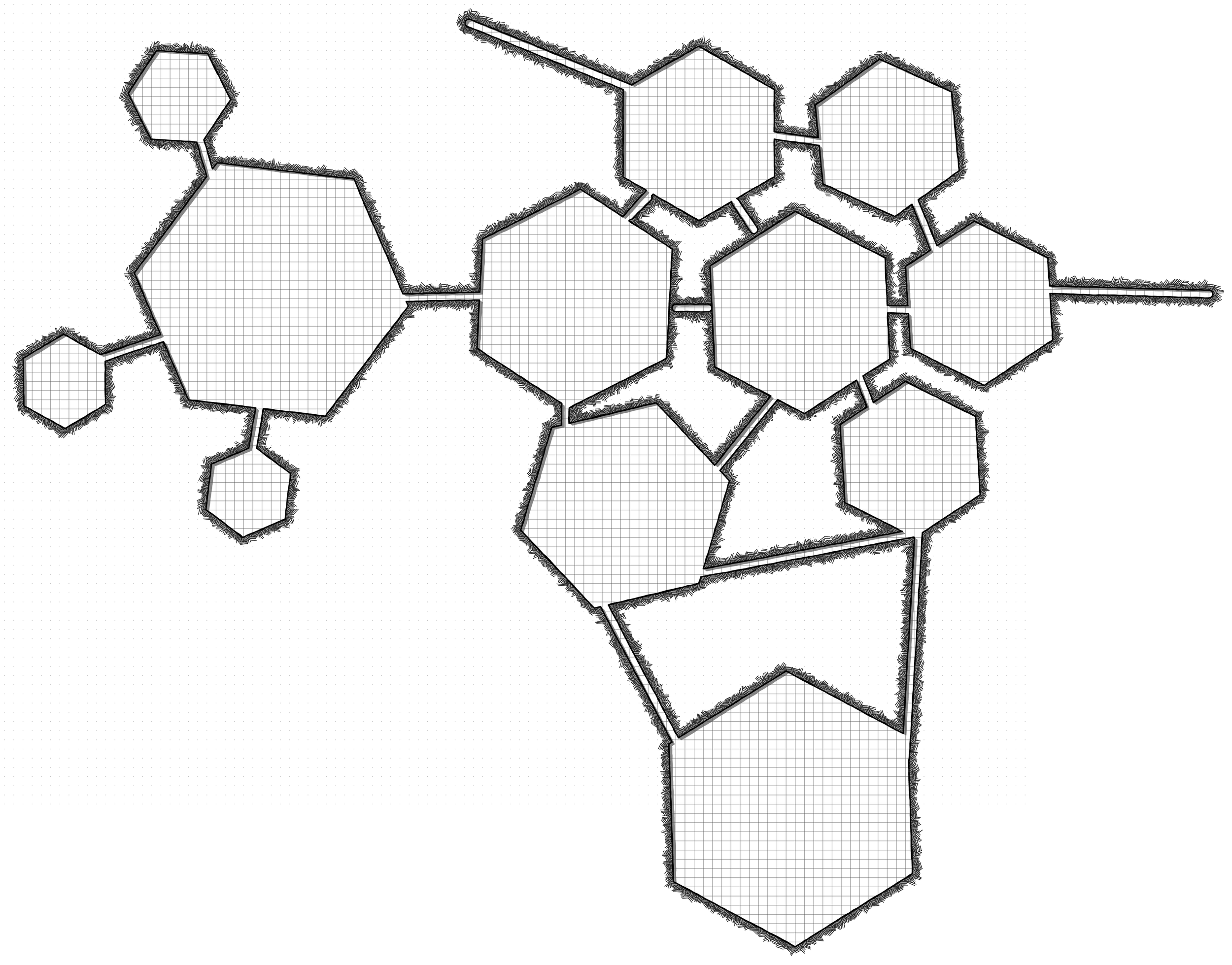
The Entropy Mishap
So the adventure was about a group of Rift Walkers who were brought together to stop being who had taken over the temple of time. This was a place where creatures worlds timelines could all be viewed by a series of caretakers broken up into specific “genres” of worlds. A wizard brought the Rift Walkers together for potentially selfish game but the player characters travelled through this temple and could see where these specific gems were on a map but not what was in each of the rooms on a map in order to collect them. The idea was if they weren't collected, they would be used by the monster back against them. What this meant in play was that spark were collected by the characters and if they weren't collected they would create peril points for use by the Rift Master. Each room was designed as a little challenge and there was a montage test beforehand to choose which sort of ritual they wanted to be a part of to enter the temple. There was also a timer used to give them a sense of urgency. After a certain amount of time, they would have to face the boss. Because it was a one shot, I was pretty mad with it and I had all sorts of references from previous campaigns and real world people. They then faced off against a giant evil spider creature and her children that had mystical powers as well as regular spider powers.
What Worked
I found it in everybody loved collecting the spark. They loved seeing where it was in the map and that you could choose to go to there and that there was some excellent incentive for moving around and structuring where they wanted to go. I also included some other types of reward tokens on there so that people could choose to go that way. So that was pretty cool too. I also tested out rolling for damage and armour. This was based on the total volume of the pool for each stat of the characters. This ended up working super well. Everyone was excited to roll and the highs and lows were a little bit more exciting rather than having flat damage and flat armour. I would say that it removed some of the tactical elements of knowing exactly how much damage in armour you could use but I often found that led to boring play of , for example: “oh, this enemy won't be able to do as much damage as armour I have so I'll just stand here and take them”. This added in some variability, which was much more exciting. The freeform use of spark instead of fate points and recovery, was universally loved by the group. Everyone was excited to gain and use spark points. I even got some feedback to say that they liked being able to take spark by giving me more peril. The group wants to incorporate these into their current campaign immediately, so that is a good sign! Overall, my next section will be a bit harsh on myself in terms of what didn't work. But really that's the way the human mind works. It focuses on the negative. I have to remind myself that overall these rules were super well accepted and that the players loved most of them. It's just the tiny nitpicks next that need to be fixed.
What Didn’t Work
I had some criticisms of myself of the adventure. The timer was a really good idea. I just unfortunately made it way too long. I was Deadset on it being a 2 1/2 hour adventure and it ended up being four hours and I'm a bit embarrassed by that by not keeping better control of pacing, I did feel the energy we had left the room by the time we've gotten to the boss combat. I would also say that there was a bit of work to be done in terms of how armour and damage dice are assigned at the moment, the rules say that they are based on your pool total. So, if you have 4 Might, then you roll a d4 for armour or damage. I think some players want there to be a bit more of a tactical choice there but overall that's a very minor right that can be easily fixed and is not super urgent in terms of design priority. There was a couple of little abilities and role bonuses that need to be tweaked because they're either just too complex or they are too finicky. Again, not a super high priority to fix those as they can just be adapted and tested over time and play. I found that having higher level characters meant that they had access to lots of roll abilities and bonuses. This meant that they had lots of options in this heavily slowed down play. I would say a core example of this is in the previous rules. You would unlock a reaction to use your role action type however it would cost one of your actions from your next turn to do it, trading off the gaining of flexibility in use. I thought this was quite punishing so I decided to instead make it a reaction that you gain. This was potentially a mistake as there was lots of extra actions to go through and it often made eight for a confusing turn order. While it wasn't strictly a part of the play test I also noticed that having a choice between two different critical wound types was either really loved or really disliked. Some people like having their choice of trade-off but some people really want all critical wounds to be super punishing. I'll need to think through that. And finally I wanted to think through conditions and use of powers as that can be really complex at times. I noticed that players were inconsistently using powers modifiers and effects. They also were applying conditions incoherently, which is not their fault. It actually just means that it's all too complex. I think I can reduce the complexity of this a lot.
Other Trials
I tried out the platform virtual battle mat. Usually when I play online, I use Owlbear Rodeo and that has always been good but I saw this come up and I just wanted to try it. Overall I live the simplicity of this. I like how it looks and I like that the video and call function is inbuilt. It was super easy to use most of the time. Some of the little net pics I had is that I did a lot of drawing on the map and there's clearly a limit to the number of strokes or pieces of drawing you can have so it meant that some items were being removed from being drawn based on when they were drawn in the order. My other minor grip (and this is not just their problem, but with most VTTs), for a platform that says it is the closest thing to playing at a table. I really wish there was an ability for me as a GM to just pick up a dice and put it on the table or other tokens that aren't character models to represent trackers, timers, and monster hit points. I don't know why most VTTs don't have something like this. Overall, I think a lot of these bugs can be fixed and I would happily use it for my future campaigns as, Owlbear Rodeo has gotten more complex overtime.
What Next
I have a bunch of things to continue trying out and I have a bunch of different fixes that I need to try for some of these rules. The benefit is that all the rules that were previously posted aren't invalidated because the call rules are fine the way they are. I think these little minor fixes that need to happen will be mostly plate tested and adapted overtime. I also want to spend some time updating some of how I think about adventuring as I think the adventure I made was really fun but it was too long for the sort of play that we normally do so I need to reduce the scope quite a bit and remind myself just how long things can take. I'll let you know how I go and post it all here in the meantime have fun and keep playing.